A scary online experience used to mean something simple: a jump-scare video, a poorly lit forum thread, or a flash game with a loud noise at the end. Cheap thrills. Forgettable ones.
That era is over.
Today’s online horror has evolved into something far closer to true immersion — interactive worlds with branching stories, atmospheric sound design, and characters that seem to remember you. The line between “watching horror” and “living inside it” has never been thinner, and it keeps getting thinner every year. Understanding why says a lot about where digital fear is headed next — and why platforms like The Haunted Carnival are leading the shift toward a truly immersive scary online experience.
The Evolution of Digital Fear
Horror has always adapted to whatever medium it’s given. Campfire stories became ghost stories in print. Print became film. Film became video games. And now, with faster connections, richer web technology, and more sophisticated interactive design, horror has found its most flexible home yet: the browser.
What makes this shift significant isn’t just better graphics or slicker websites. It’s control. A scary movie decides the pace for you. A scary online experience built around interactivity hands that pace to the visitor — and that single change transforms passive fear into something closer to participation. You’re not watching a character walk into a dark hallway anymore. You’re choosing to walk into it yourself.
That shift from spectator to participant is the single biggest reason online horror has become so much more effective in recent years.
What Makes a Scary Online Experience Actually Scary
Not every interactive horror site succeeds at this. Plenty still lean on cheap jump scares and call it a day. The ones that actually work — the ones people remember, revisit, and recommend — tend to share a few key ingredients.
Interactive Storytelling
The single biggest shift in online horror has been the move toward interactive horror stories rather than static ones — a format with roots in interactive storytelling traditions that predate the web itself. Instead of reading or watching a fixed narrative, visitors influence what happens next — which door they open, which attraction they explore first, which risks they choose to take.
This matters because horror is deeply personal. What terrifies one person barely registers for another. A fixed story can only aim at an average kind of fear. An interactive one adapts to the individual, letting each visitor’s own choices — and their own hesitation — become part of what scares them.
Atmosphere and Sound Design
Ask any horror designer what matters more than the monster, and most will say the same thing: the silence before it. Modern online horror experiences invest heavily in ambient sound — distant music, uneven footsteps, static that shifts depending on where a visitor is inside the experience. It’s rarely the loud moment that gets remembered. It’s the ten seconds of unbearable quiet before it.
This is part of why so many virtual attractions now feel closer to short films than websites — layered audio, responsive lighting, and pacing designed by people who understand that dread builds slower than fear.
Player Agency
Perhaps the most important ingredient is agency — the sense that your decisions actually matter. A visitor who feels like a spectator can look away. A visitor who feels like a participant can’t, because part of the fear is wondering what happens because of what they just chose to do.
This is where the best online horror games distinguish themselves from older horror media entirely. They’re not asking you to watch a story. They’re asking you to be careless enough to end up in one.
Once you’re inside a truly immersive scary online experience, there’s no comfortable distance left. The screen stops being a window and starts being a door — and doors, inside The Haunted Carnival, tend to stay open longer than visitors expect.
The Rise of Online Horror Games
The growth of online horror isn’t a coincidence — it reflects a broader shift in how people consume entertainment. More visitors are looking for short, immersive experiences they can drop into on a quiet night, without needing special equipment, downloads, or a dedicated gaming setup. A browser and a good pair of headphones is often all it takes.
This accessibility has opened the door for a new generation of creepy online games and scary games to play online that combine narrative depth with genuine interactivity — attractions like mirror mazes, haunted houses, and puzzle-driven mysteries that unfold differently depending on how a visitor engages with them. It’s a scary online experience built for exploration, not just observation.
The Haunted Carnival is a clear example of this shift. Rather than a single scare or a linear story, it’s structured as a full online horror experience — an evolving digital carnival world with multiple attractions, recurring characters, and hidden narrative threads that connect one experience to the next. Visitors don’t just play a game and leave. They start noticing patterns — a marionette that seems to move between visits, a wall of names that quietly grows longer, a melody that follows them from one attraction into another.
That kind of connective storytelling is what separates a memorable virtual horror adventure from a forgettable one.
Step Into the Carnival
See what a fully immersive scary online experience actually feels like.
Explore the AttractionsWhy People Choose Virtual Horror Adventures From Home
There’s a simple, practical reason online horror has grown so quickly: convenience without compromise. Visitors get genuine tension and atmosphere without needing to travel anywhere, wait in line, or commit an entire evening to it. A digital haunted house experience can be explored in twenty minutes or two hours, entirely on the visitor’s own terms.
But convenience alone doesn’t explain the appeal. Psychologists who study why people seek out fear point to this same pull. There’s something psychologically distinct about being scared in a familiar space — your own room, your own screen, the ordinary comfort of home suddenly interrupted by something that shouldn’t be there. That contrast is part of what makes a well-built scary online experience so effective. The fear doesn’t stay contained inside the experience. It follows you for a few minutes after you close the tab, because the “safe” space you experienced it in was your own.
The Haunted Carnival: A Case Study in Immersive Online Horror
Everything discussed above — interactive storytelling, atmosphere, player agency, connected narrative threads — comes together inside The Haunted Carnival, a fully digital carnival built specifically around the idea that online horror should feel alive.
Instead of a single scare, visitors step into an evolving world: a Mirror Maze that seems to study its visitors, a Haunted House that reacts differently depending on how carefully you move through it, and recurring figures — like the enigmatic Puppet Master — who thread their way through multiple attractions rather than staying contained to just one. Visitors who want to see how that story unfolds firsthand can read about the moment he chooses his next visitor, or investigate the disappearances hidden throughout the Wall of the Missing.
It’s this layered approach — attractions that connect to each other, stories that reward attention, and an atmosphere built to unsettle rather than simply startle — that represents where online horror is headed. Less “watch a scare.” More “survive an experience.”
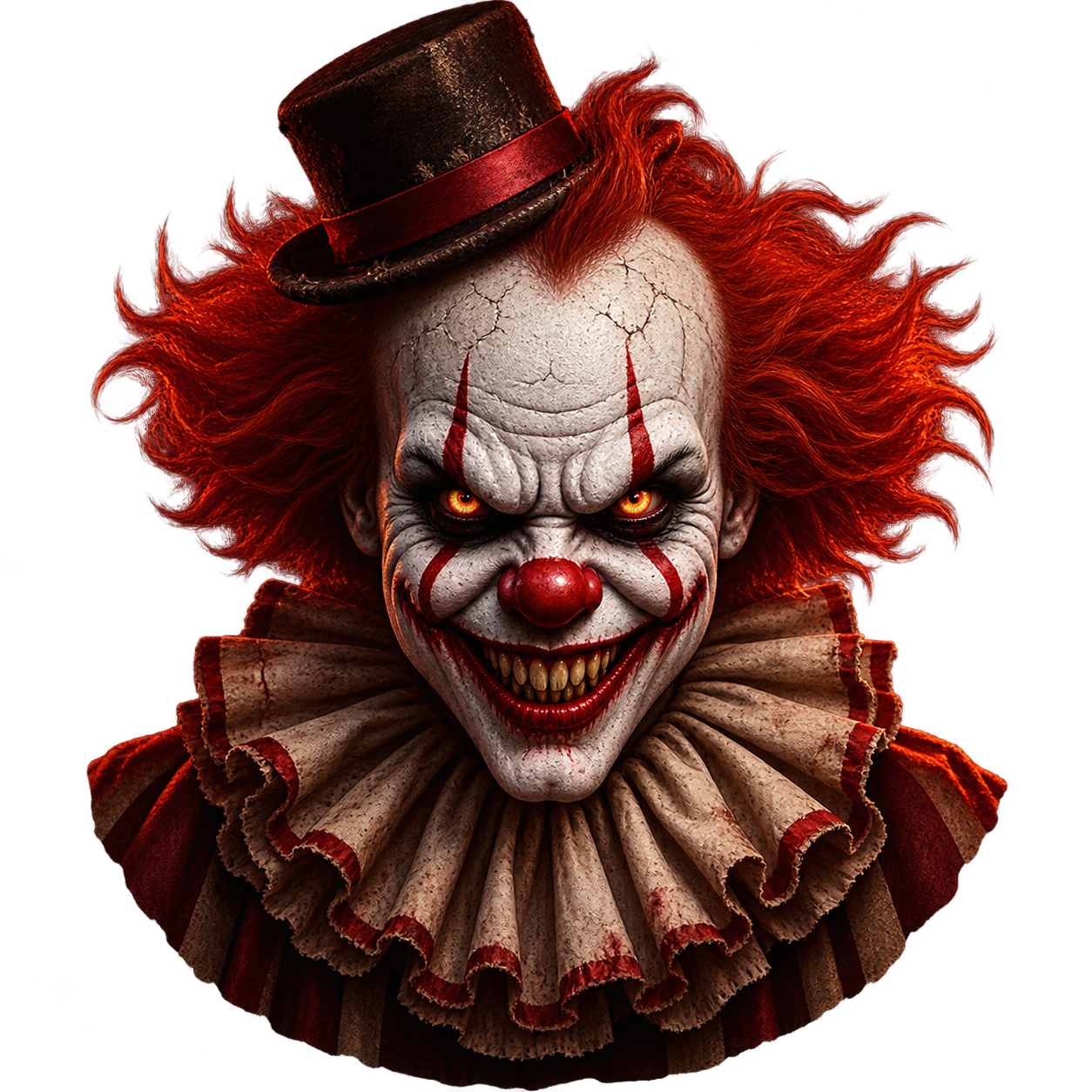
The Future of Scary Online Experiences
As interactive technology keeps improving, expect online horror to keep leaning further into immersion — richer audio design, more responsive storytelling, and worlds that feel less like websites and more like places. The visitors who will remember these experiences years from now won’t be the ones who saw the biggest jump scare. They’ll be the ones who felt like the story was paying attention to them the whole time.
That’s the standard The Haunted Carnival was built around, and it’s a big part of why a well-designed scary online experience has become so much more than a passing scare.
Some experiences you watch. This one, you enter.
Reading about immersive horror is one thing. Feeling it is another. Step into The Haunted Carnival’s attractions and see how far interactive storytelling, atmosphere, and a little too much curiosity can take you — or head straight to the Ticket Booth and claim your place inside the carnival before the gates close for the night.